Chilli Flakes: Uses, Benefits and Cooking Tips
Chilli Flakes: Uses, Benefits and Cooking Tips
Love adding a little heat to your favourite meals? Chilli flakes are a simple kitchen seasoning that can transform ordinary dishes with a spicy kick, vibrant appearance and distinctive flavour. From pizza and pasta to noodles, soups and homemade sauces, this versatile ingredient is popular among people who enjoy experimenting with different levels of spice.
Whether you prefer mild warmth or a stronger spicy taste, learning how to use chilli flakes can help you prepare more flavourful meals at home. In this guide, discover their common uses, practical cooking tips, storage methods and easy recipe ideas.
What Are Chilli Flakes?
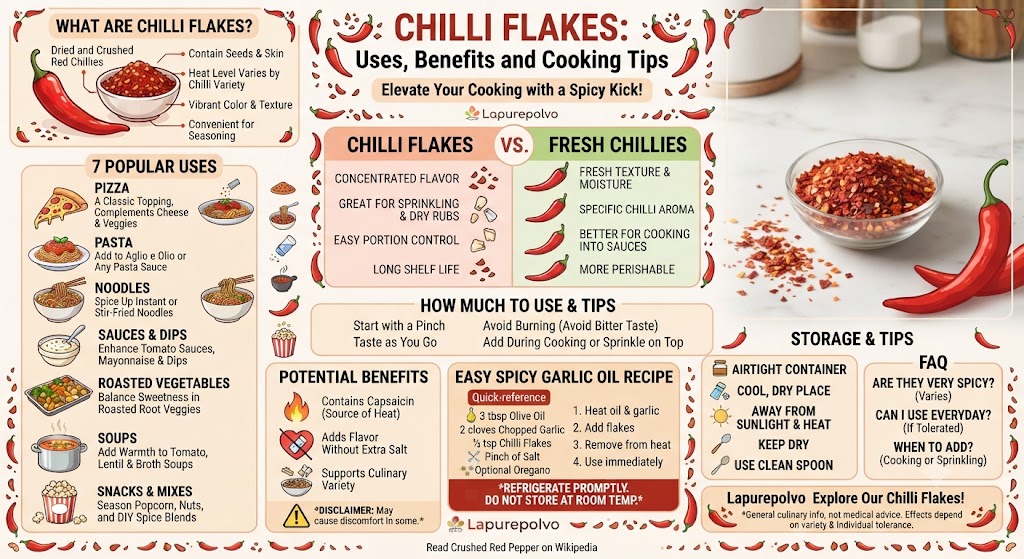
Chilli flakes are typically made by drying red chillies and crushing them into small pieces. Depending on the variety and processing method, they may contain crushed chilli skin, seeds and other parts of the pepper.
Their heat level varies according to the type of chilli used. Some varieties offer a gentle warmth, while others deliver a much stronger, sharper heat. The seeds and visible red pieces also add texture and colour to food.
Chilli flakes are widely used in Italian-inspired recipes, Asian dishes, spicy snacks and homemade seasoning blends. Because they are easy to measure and store, they are a convenient alternative to chopping fresh chillies whenever you want to add heat to a dish.
7 Popular Uses of Chilli Flakes in Cooking
1. Add a Spicy Touch to Pizza
Chilli flakes are a classic pizza topping. Sprinkle a small amount over a freshly baked pizza or add them before baking for a more integrated flavour.
They work particularly well with cheese, tomato sauce, mushrooms, capsicum, onions and olives. You can also mix chilli flakes with oregano to create a simple pizza seasoning blend.
2. Give Pasta More Flavour
Pasta is one of the easiest dishes to season with crushed red chillies. Add a pinch to olive oil while gently warming garlic, then mix in cooked pasta and your preferred ingredients.
Chilli flakes complement tomato-based pasta sauces, creamy sauces and vegetable pasta. Start with a small quantity and increase it gradually until you reach your preferred spice level.
3. Spice Up Noodles
If you enjoy spicy noodles, chilli flakes can provide extra heat without requiring a complicated sauce. Add them to stir-fried noodles, instant noodles or homemade noodle bowls.
Combine them with garlic, soy sauce, spring onions and your favourite vegetables for a flavourful meal. Add the flakes gradually because the heat can become more noticeable as the dish cooks.
4. Improve Homemade Sauces and Dips
Chilli flakes can add warmth to tomato sauces, mayonnaise-based dips, yoghurt dips and homemade dressings.
For a simple spicy tomato sauce, gently cook garlic in a little oil, add chopped tomatoes, seasonings and a pinch of chilli flakes, then simmer until the sauce reaches your preferred consistency.
You can adjust the heat to suit the dish rather than relying on a ready-made spicy sauce.
5. Season Roasted Vegetables
Roasted vegetables become more interesting when seasoned with chilli flakes. Mix them with oil, garlic, salt and black pepper before coating potatoes, cauliflower, carrots, capsicum or broccoli.
Roast the vegetables until cooked and lightly browned. The chilli flakes add a pleasant spicy note that balances the natural sweetness of many vegetables.
6. Add Heat to Soups
A small pinch of chilli flakes can enhance tomato soup, vegetable soup, lentil soup and broth-based dishes. Add them while cooking so the heat blends with the other ingredients, or sprinkle a little on top just before serving.
For creamy soups, use a modest quantity to balance the richness without overpowering the other flavours.
7. Create Spicy Snacks and Seasoning Mixes
Chilli flakes are useful for seasoning popcorn, roasted chickpeas, homemade crackers and savoury snacks. Combine them with garlic powder, dried herbs, black pepper or a little paprika to create your own seasoning blend.
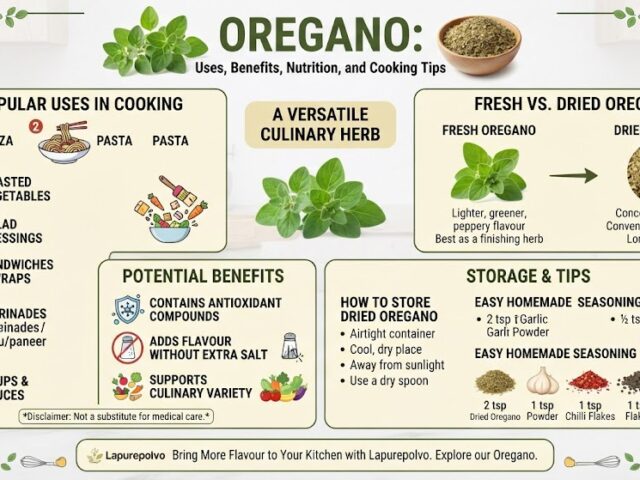
They can also be mixed with oregano for pizza seasoning or combined with other spices for roasted vegetables and savoury snacks.
Potential Benefits of Chilli Flakes
Chilli flakes made from red peppers may contain capsaicin, the compound responsible for much of their characteristic heat. Red chillies can also contain carotenoids and other plant compounds, although their amounts depend on the variety and processing.
Contain Naturally Occurring Plant Compounds
Red chillies contain compounds such as capsaicin and carotenoid pigments. These substances have been studied for various biological effects, but research findings do not mean that adding chilli flakes to food will prevent or treat a medical condition.
Add Flavour Without Complicated Ingredients
Chilli flakes provide a straightforward way to adjust the heat of a recipe. They can help you create more flavourful dishes using a small quantity of seasoning.
Support Culinary Variety
Experimenting with spices can make everyday meals more varied and enjoyable. Chilli flakes pair well with vegetables, grains, pasta, noodles and many sauces, making them a practical ingredient for a diverse range of recipes.
Important: Very spicy food may cause discomfort, heartburn or digestive irritation in some people. Adjust the quantity to your tolerance. Chilli flakes are a culinary ingredient, not a substitute for medical treatment.
Chilli Flakes vs Fresh Chillies
Both chilli flakes and fresh chillies can add heat, but they are useful in different situations.
Chilli flakes: Convenient for sprinkling over finished dishes, seasoning pizza and pasta, and creating dry spice blends. Their concentrated flavour makes portion control important.
Fresh chillies: Useful when a recipe needs fresh texture, moisture or a particular chilli aroma. They can be chopped, sliced, blended or cooked into sauces.
Neither is automatically better. Your choice depends on the recipe, the desired texture and the level of heat you want.
How Much Chilli Flakes Should You Use?
The ideal quantity depends on the chilli variety, serving size and personal preference. If you are trying a new product, begin with a small pinch and taste the dish before adding more.
For a single serving of pasta or noodles, a small pinch may be enough to provide noticeable warmth. Larger recipes may need more, but it is easier to increase the heat gradually than to correct a dish that has become too spicy.
When cooking for guests, consider serving chilli flakes separately so everyone can adjust their portion.
Easy Spicy Garlic Oil Recipe
Spicy garlic oil is a simple way to add flavour to pasta, noodles, pizza and roasted vegetables.
Ingredients:
- 3 tablespoons olive oil or another suitable cooking oil
- 2 garlic cloves, finely chopped
- ½ teaspoon chilli flakes, or less to taste
- A pinch of salt
- Optional: dried oregano
Method:
- Heat the oil gently in a small pan over low heat.
- Add the chopped garlic and cook briefly until fragrant, without allowing it to burn.
- Add the chilli flakes and stir for a few seconds.
- Remove the pan from the heat and add salt to taste.
- Use the oil immediately as a seasoning for pasta, vegetables or other dishes.
For food safety, do not store homemade garlic-in-oil mixtures at room temperature. Refrigerate promptly and follow recognised food-safety guidance for storage and use.
How to Store Chilli Flakes Properly
Proper storage helps preserve the colour, aroma and flavour of chilli flakes.
- Keep them in an airtight container.
- Store the container in a cool, dry place away from direct sunlight.
- Keep them away from moisture, steam and excessive heat.
- Always use a clean, dry spoon.
- Close the package securely after use.
- Follow the product’s storage instructions and best-before date.
Over time, chilli flakes may lose some of their aroma and colour. Discard them if you notice mould, unusual moisture or signs of contamination.
Frequently Asked Questions About Chilli Flakes
Are chilli flakes very spicy?
Their heat depends on the chilli variety used. Some products have a mild warmth, while others are considerably hotter. Start with a small quantity until you understand the product’s spice level.
Can I use chilli flakes every day?
Many people use chilli flakes regularly in normal food quantities. However, spicy foods may trigger heartburn or digestive discomfort in some individuals. Reduce or avoid them if they cause symptoms.
Can chilli flakes be used instead of fresh chillies?
They can replace fresh chillies in some recipes when the main purpose is to add heat. However, they do not provide the same moisture, texture or fresh flavour. Adjust the quantity to suit the recipe.
When should chilli flakes be added to food?
They can be added during cooking to distribute their flavour throughout a dish or sprinkled over finished food for a more noticeable spicy touch. Avoid burning them in very hot oil, as this can create a bitter taste.
Do chilli flakes expire?
Chilli flakes gradually lose their aroma and colour over time. Check the packaging date, best-before information and product condition. Store them in a sealed container away from moisture and heat.
Add a Spicy Kick to Everyday Cooking with Lapurepolvo
A versatile seasoning collection makes it easier to prepare meals that suit your taste. Chilli flakes are a convenient choice for anyone who enjoys adding warmth to pizza, pasta, noodles, sauces, soups and savoury snacks.
Explore Chilli Flakes from Lapurepolvo and keep this practical seasoning ready for your favourite recipes. Start with a small pinch, experiment with different flavour combinations and adjust the heat to match your preferences.
For additional background about crushed red pepper, read the Crushed Red Pepper article on Wikipedia.
Disclaimer: This article is intended for general culinary information and is not medical advice. The potential effects of chilli peppers depend on the variety, quantity consumed and individual tolerance.